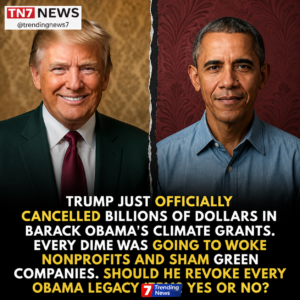
Few political figures in modern American history have remained as influential, controversial, and widely discussed as Donald Trump. Even after leaving office, Trump continues to dominate political conversations across television, social media, rallies, and everyday discussions between Americans. His supporters continue to view him as a leader who challenged the political establishment and fought for policies they believe put America first, while critics argue that his leadership style increased division and political conflict throughout the country. Because of this, one question continues to spark intense debate online and offline: if Trump were legally allowed to run for president a third time, would Americans vote for him again?
For many supporters, Trump represents far more than a traditional politician. To them, he symbolizes resistance against a political system they believe ignored working-class Americans for decades. Supporters often point to issues such as border security, energy independence, economic growth before the pandemic, tax policies, and his direct communication style as reasons why they would support him again. Many believe he brought attention to problems that other politicians avoided discussing openly, and they see him as someone willing to confront both political opponents and powerful institutions.
At the same time, millions of Americans strongly oppose the idea of another Trump presidency. Critics argue that the country experienced increased political tension, cultural division, and constant controversy during his time in office. Some believe America needs calmer leadership and a less confrontational political environment in order to rebuild unity and trust between citizens. Others worry that another Trump campaign would deepen already existing divisions within the country and further intensify political polarization.
The debate surrounding Trump’s future also reflects a much larger issue in American politics: people are no longer simply voting based on policies alone. Increasingly, elections are becoming emotional and cultural battles over identity, values, and the direction of the nation. Supporters and critics often see the country in completely different ways, consume different media sources, and trust different institutions. This has created an environment where political disagreement feels more personal and emotionally charged than ever before.
Social media has amplified this divide dramatically. Viral clips, headlines, interviews, and political commentary spread instantly online, pushing people to react emotionally and defend their side. Trump, more than almost any other politician, remains at the center of these discussions. Every speech, statement, court appearance, or rally quickly becomes national news, showing how deeply connected his influence remains within American politics.
Another reason this conversation continues to grow is because Trump’s political movement still commands enormous support from millions of voters across the country. Even people who disagree with his personality sometimes support the policies associated with his administration. Others view him as a symbol of opposition against what they see as growing government control, media bias, or political elitism. Meanwhile, opponents believe preventing another Trump presidency is necessary to protect democratic norms and reduce political instability.
The idea of a third presidential term also sparks constitutional discussions, since the U.S. Constitution currently limits presidents to two terms. While such a scenario remains hypothetical, the fact that so many people passionately debate the possibility reveals just how significant Trump’s influence remains years after his presidency.
Ultimately, the question is no longer just about Donald Trump himself. It reflects a broader national struggle over leadership, trust, political identity, and America’s future direction. Whether people support him or oppose him, Trump continues to shape conversations in ways few political figures ever have.
As America moves forward, the country remains divided on what kind of leadership it truly wants. Some believe strong, confrontational leadership is necessary to challenge the system and defend national interests. Others believe the country needs stability, unity, and a less divisive political atmosphere.
One thing is certain: Donald Trump’s influence on American politics is far from over, and debates about his future will likely continue shaping the national conversation for years to come.