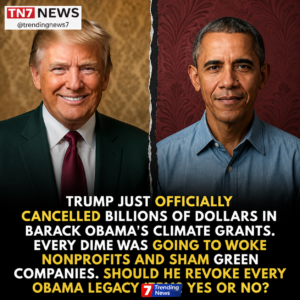
America continues to experience one of the most politically divided periods in modern history, and few figures represent that division more than former President Donald Trump. Supporters view him as a leader who challenged the political establishment, strengthened the economy, prioritized border security, and pushed an “America First” agenda. Critics, however, argue that his leadership style intensified political tension, increased polarization, and reshaped public trust in government institutions. Because of this divide, one major question keeps appearing across social media and political discussions: would removing the influence of the Trump administration help America move forward, or would it create even deeper divisions?
For millions of Americans, Trump represents disruption to a political system they believed had ignored ordinary citizens for years. His supporters often point to tax cuts, deregulation, energy independence efforts, and his approach to foreign policy as examples of strong leadership. Many believe he gave a voice to working-class Americans who felt disconnected from traditional politics. To them, attacks against Trump are not just attacks on one man, but attacks on the movement and values they support.
On the other side, critics argue that Trump’s presidency changed the tone of American politics in ways they believe damaged national unity. They point to controversies surrounding elections, media battles, public rhetoric, and political conflicts that intensified during and after his presidency. Some believe the country needs a complete reset from Trump-era politics in order to reduce polarization and rebuild trust between Americans with different political views.
However, the debate goes beyond simply supporting or opposing Trump. It reflects a larger struggle over the identity and future direction of the United States. One side believes stronger nationalism, stricter immigration policies, and reduced government intervention are the key to restoring American strength. The other side believes progress depends on broader social programs, climate action, diversity initiatives, and institutional reforms. These differences have created two very different visions for what America should become in the future.
Social media has amplified these divisions even further. Political posts, viral clips, and emotionally charged headlines spread rapidly online, often encouraging people to react emotionally instead of engaging in thoughtful discussion. As a result, many Americans feel constantly surrounded by political conflict, with little room for compromise or middle ground.
At the same time, this level of political engagement also shows how deeply Americans care about their country. Regardless of political affiliation, people are paying attention, speaking out, and demanding change in the direction they believe is best. That passion reflects the strength of democracy itself — even when disagreements become intense.
The challenge moving forward is whether the country can find a balance between accountability, progress, stability, and unity. Every administration leaves behind policies, ideas, and cultural influence that shape the future long after a presidency ends. Completely removing one administration’s legacy may satisfy one side politically, but it can also deepen resentment and division for others.
Ultimately, America’s future will not be decided by one political figure alone. It will be shaped by how citizens choose to engage with each other, how leaders respond to national concerns, and whether people are willing to debate difficult issues respectfully instead of treating politics like a permanent war between enemies.
The question now is not just whether people support or oppose Trump. The bigger question is whether America can move forward without becoming even more divided in the process.